
Imagine you have launched a new website for your business. You publish useful articles, optimize your pages, and make sure your website works properly. However, your website still struggles to appear in Google search results. One possible reason is that other relevant websites are not linking to your content.
This is where backlinks become important. If you are new to search engine optimization, what is seo and how backlinks work can help you build a stronger SEO strategy. Backlinks are not simply links between websites. They can also help search engines discover content, understand its relevance, and evaluate its credibility.
In this beginner-friendly guide, we will explore how backlinks work, their different types, why they matter, and how you can build a healthy backlink profile.
What Are Backlinks?
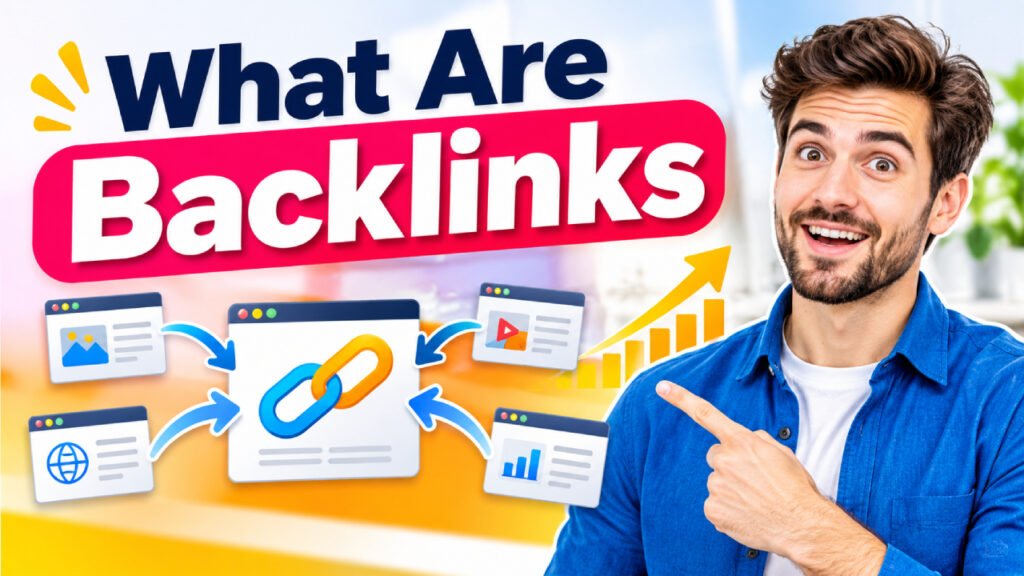
Backlinks are links from one website that point to another website. For example, imagine a technology blog publishes an article about website development and includes a link to your web development service page. That link is considered a backlink for your website.
Backlinks are also known as inbound links or incoming links. Search engines use links to discover webpages and understand how different websites connect with each other. When a relevant and trustworthy website links to your content, it can provide a useful signal about the value of that page.
However, not every backlink has the same value. A link from a relevant industry website may be more useful than a link from an unrelated website created only to generate links.
How Do Backlinks Work in SEO?
To understand Backlinks in SEO, think about how people recommend useful resources to others.
When a website owner links to another website, they are directing readers toward additional information. Search engines can also follow these links to discover pages and understand relationships between websites. Backlinks can contribute to search rankings, but they are not the only ranking factor. Content quality, relevance, technical performance, user experience, and search intent also matter.
Types of Backlinks Every Beginner Should Know
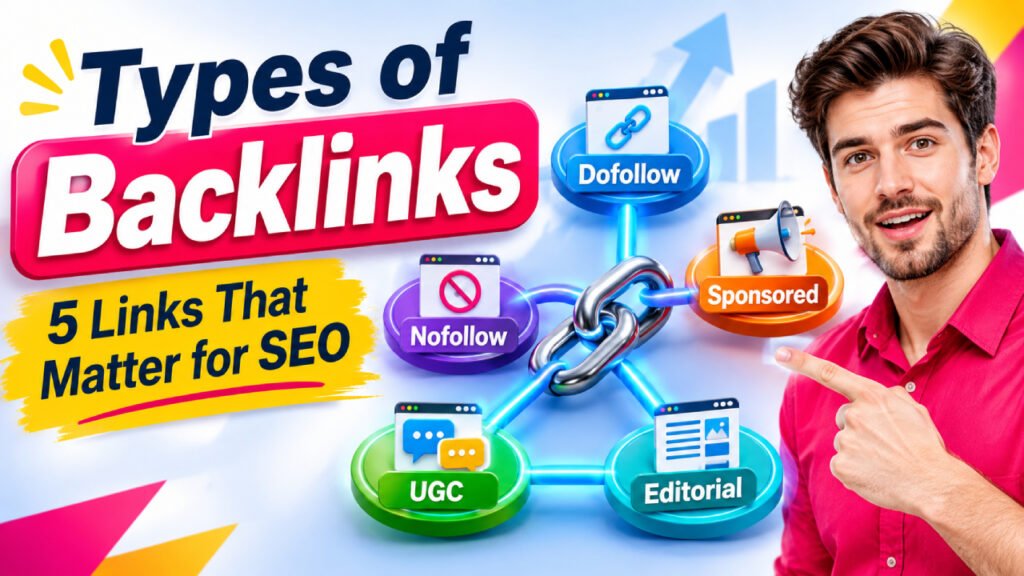
Understanding the Types of backlinks helps website owners recognize which links may support their SEO strategy.
1. Do-follow Backlinks
A do-follow backlink is a common editorial link that does not contain a link attribute restricting the usual passing of ranking signals.
For example, a business blog may naturally link to your website because it finds your research useful. Such a link can contribute to your website’s authority signals.
2. No-follow Backlinks
A no-follow link uses the rel=”nofollow” attribute. It tells search engines that the website does not want to imply the same kind of endorsement associated with a normal editorial link.
These links can still bring referral visitors and help people discover your website.
3. Sponsored Backlinks
Sponsored links are used when a link is part of a paid promotion, advertisement, or sponsorship arrangement.
Google recommends using the rel=”sponsored” attribute to identify these links. Properly identifying paid links helps maintain transparent linking practices.
4. UGC Backlinks
UGC stands for User-Generated Content. These links appear in places where users contribute content, such as discussion forums and comment sections.
The rel=”ugc” attribute helps identify links within user-generated content.
5. Editorial Backlinks
Editorial backlinks are links that websites include naturally because they consider another webpage useful for their readers.
For example, a marketing website might reference your original research while explaining an SEO topic. These links can be valuable because they are earned through relevant content rather than artificial link placement.
Importance of Backlinks for Website Rankings
The Importance of backlinks goes beyond improving a website’s link profile. When earned naturally, quality backlinks can support several areas of online growth.
Improved Search Engine Visibility
Backlinks can help search engines discover new webpages. When other websites link to your content, search engine crawlers may find those pages through the links.
This can be particularly useful for new websites that are still building their online presence.
Better Website Authority Signals
Links from relevant and trustworthy websites can contribute to how search engines evaluate a webpage’s reputation and importance.
A strong backlink profile built through genuine references can support your website’s overall SEO efforts.
Referral Traffic
Backlinks can bring visitors directly from other websites.
For example, if a business website links to your SEO guide, readers interested in improving their search visibility may visit your website. These visitors can become potential customers if your content matches their needs.
How to Build Quality Backlinks for Your Website
Building backlinks requires consistency and useful content as part of a broader SEO services strategy. Instead of focusing on collecting hundreds of links, concentrate on earning references from relevant websites.
Here are some practical approaches.
1. Publish Useful and Informative Content
Create original articles, detailed guides, tutorials, and resources that solve real problems.
For example, a technology website could publish a practical guide explaining website security or common SEO mistakes. Other websites may reference the content when discussing related topics.
2. Use Guest Posting Carefully
Guest posting involves writing an article for another relevant website.
It can help introduce your expertise to a new audience. However, guest posting should focus on useful content and genuine audience value rather than creating links solely to manipulate rankings.
3. Create Business Profiles
Many relevant business directories and professional platforms allow companies to create profiles containing website links.
These profiles can improve brand discoverability and provide referral opportunities. Choose platforms that are relevant and legitimate rather than submitting your website to every available directory.
4. Find Relevant Link Opportunities
Research websites that publish content related to your industry. If you have a genuinely useful resource that adds value to an existing article, you can contact the website owner and suggest it as an additional reference.
Avoid sending generic messages or requesting links without offering something useful.
What Makes a Backlink High Quality?
Not all backlinks contribute equally to an effective SEO strategy. Before pursuing a link, consider these important factors:
- Relevance: The linking website should have a meaningful connection to your industry or topic.
- Trustworthiness: Links from legitimate websites with useful content are generally preferable.
- Editorial placement: Naturally included links within relevant content are often more valuable than artificial placements.
- Traffic potential: A link that attracts genuinely interested visitors can provide additional business value.
- Natural link profile: Your website should earn links through different genuine sources rather than relying on repetitive link-building patterns.
Remember that domain authority scores provided by third-party SEO tools are estimates, not official Google ranking metrics.
Common Backlink Mistakes to Avoid
While building backlinks, some practices can damage your website’s SEO efforts.
Buying links intended to manipulate search rankings, participating in link exchanges at scale, using automated link-building software, and publishing links on irrelevant websites can create problems.
Another common mistake is focusing only on the number of backlinks. Having many low-quality links does not automatically make a website stronger.
Instead, prioritize relevant websites, useful content, and natural link acquisition. Review your backlink profile periodically and investigate suspicious patterns rather than assuming every unfamiliar link is harmful.
How to Check Your Website’s Backlinks
You do not need advanced technical knowledge to monitor backlinks.
Google Search Console provides a Links report that helps website owners review information about external links pointing to their websites.
You can also use SEO platforms such as Ahrefs, Semrush, and Moz to explore referring domains, backlink sources, and changes in your link profile.
Regular monitoring helps you understand which content attracts links and identify opportunities to improve your SEO strategy.
Conclusion
Understanding what are backlinks is an important first step toward building a successful SEO strategy. Backlinks connect websites, help search engines discover content, and can contribute to a webpage’s credibility and visibility. However, effective link building is not about collecting as many links as possible. It is about creating useful content, developing genuine industry relationships, and earning references from relevant websites.
If you are managing a new website, start by publishing valuable resources and building connections within your industry. A consistent, quality-focused approach can support your website’s long-term organic growth.
Frequently Asked Questions
Backlinks are links from external websites that point to your website. In SEO, they help search engines discover webpages and understand connections between websites.
Yes. Backlinks are among the signals Google uses to understand webpage relevance and importance. However, they do not guarantee higher rankings.
Do-follow is an informal term for a normal link without a qualifying attribute. No-follow links use rel="nofollow" to indicate that the website does not want to imply a typical endorsement. Both types can bring referral traffic.
There is no fixed number of backlinks that every website needs. A new website should focus on earning relevant links naturally through useful content, industry relationships, and genuine references instead of targeting an arbitrary backlink count.
You can earn free backlinks by publishing useful articles, creating legitimate business profiles, contributing valuable guest posts, sharing original resources, and building relationships with relevant website owners.